
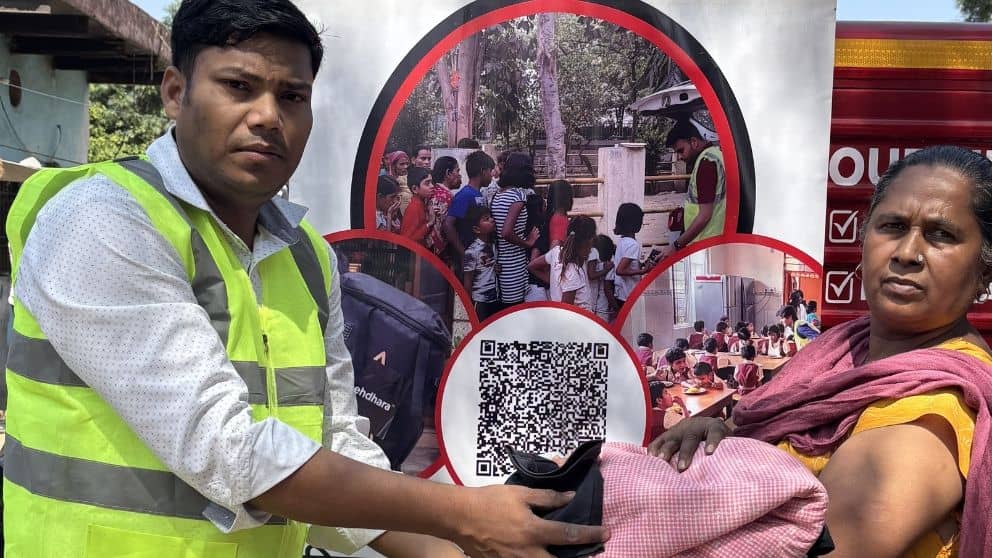
Growing old is often spoken about in terms of health. But for many elderly people, the bigger challenge is something else. Being alone.
Growing old is often spoken about in terms of health.
But for many elderly people, the bigger challenge is something else. Being alone.
In low-income communities, many grow old without savings or steady support. Families move away. Neighbourhoods change. Over time, the systems that once provided care begin to disappear.
What remains is a quiet kind of isolation that often goes unnoticed.
We work directly with elderly individuals in such communities.
The approach is simple. Regular visits. Basic essentials when needed. Time spent listening.
There are no large, complex systems involved. Just consistent presence. The same people returning, understanding needs better each time.
Support is built through familiarity, not formality.
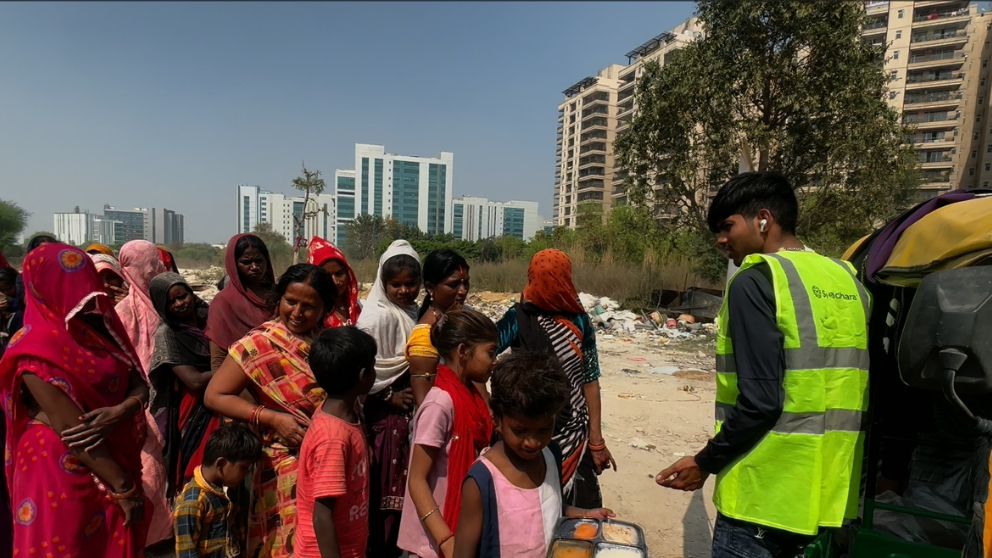
The impact does not come all at once. It shows in small, everyday changes.
Someone who was withdrawn begins to respond more. Someone who stayed inside starts stepping out occasionally. Someone who avoided asking for help begins to mention small needs.
These are quiet shifts, but they are important.
Because for many elderly individuals, the deeper issue is not just lack of resources. It is the feeling of being unseen.
When someone shows up regularly, that feeling begins to change.
And when that changes, life becomes a little less distant, and a little more connected.
A Bundle of Hope
The Myths of NGO Work: What People Get Wrong About Ground-Level Change
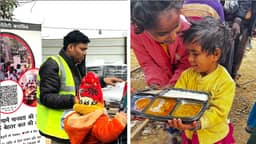
This New Year Make Resolutions That Matter
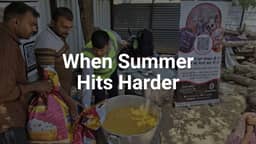
When Summer Hits Harder: The Heat You Don’t See
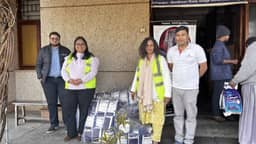
Loneliness Is a Health Crisis
A Bundle of Hope
The Myths of NGO Work: What People Get Wrong About Ground-Level Change
This New Year Make Resolutions That Matter
When Summer Hits Harder: The Heat You Don’t See
Loneliness Is a Health Crisis