
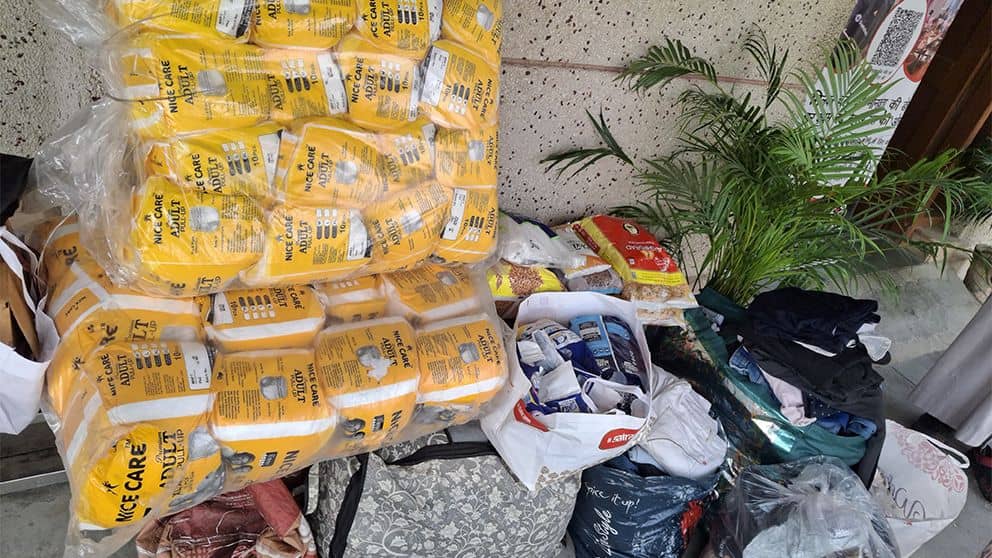
NGOs often appear simple from the outside: a few people collecting donations, arranging drives, and helping communities. But the reality is far more layered, strategic, and challenging. Social work is often misunderstood, and these misconceptions can limit the very impact people expect NGOs to create. It’s time to clear the air and look at what really happens behind the scenes.
One of the biggest misunderstandings is that NGOs only hand out food, clothes, or essentials. Distributions are important, but they are only a small part of the work. Grassroots organisations spend most of their time:
From the outside, it might look easy: gather donations, visit communities, and post updates. But running an NGO requires:
Another common misconception is that NGOs focus only on poverty. In reality, NGOs work across a wide range of issues:
Most NGOs function with strict budgets. Donor fatigue, inconsistent funding, and rising costs make every project a challenge. Grassroots organisations especially depend on:
Real change is slow. A child doesn’t suddenly gain confidence. A family doesn’t instantly become financially stable. A community doesn’t transform overnight.
NGOs work step-by-step, often repeating efforts, revisiting homes, following up, and staying consistent even when progress feels invisible.
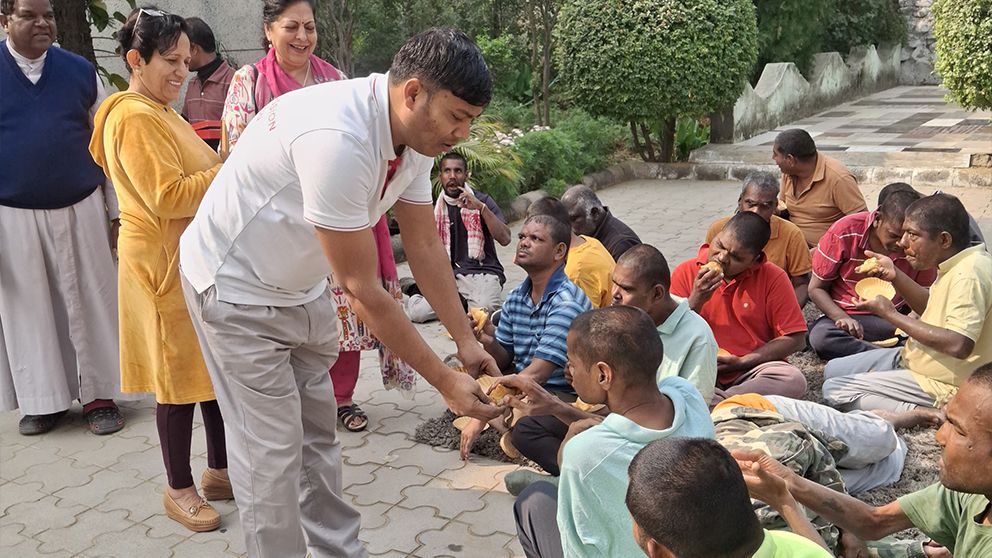
At its heart, NGO work is built on relationships, trust, and patience. It is not glamorous, quick, or easy. But it is meaningful. It is necessary. And it creates change that statistics alone can never fully capture.
Debunking these myths helps us appreciate the real effort behind every distribution, every smile, every small shift in someone’s life.
A Bundle of Hope

The Myths of NGO Work: What People Get Wrong About Ground-Level Change
This New Year Make Resolutions That Matter
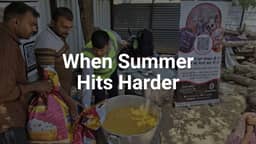
When Summer Hits Harder: The Heat You Don’t See

Loneliness Is a Health Crisis
A Bundle of Hope
The Myths of NGO Work: What People Get Wrong About Ground-Level Change
This New Year Make Resolutions That Matter
When Summer Hits Harder: The Heat You Don’t See
Loneliness Is a Health Crisis